

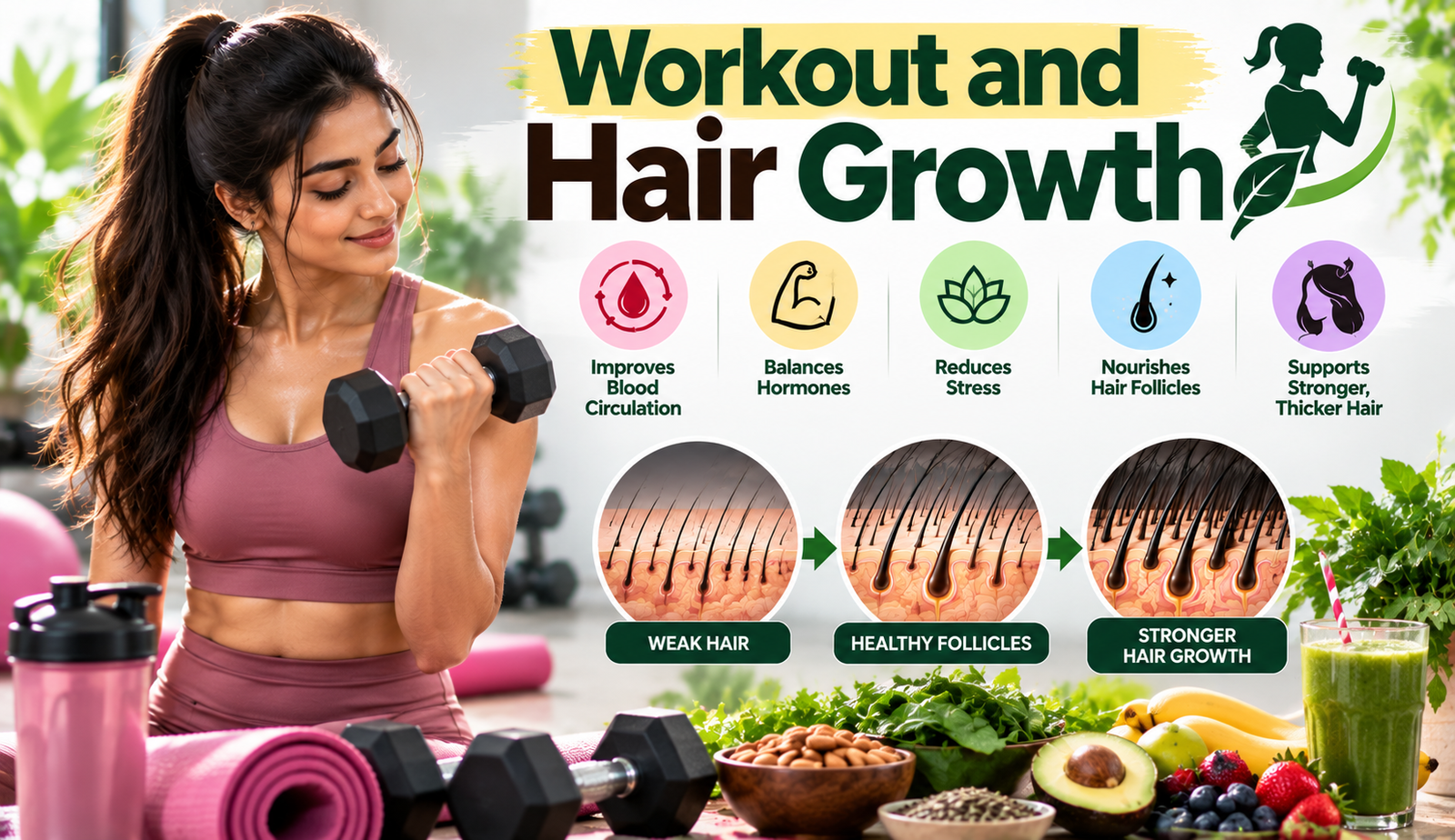
Workout and Hair Growth :
How Exercise, Nutrition and Recovery Affect Hair Health
Exercise is widely recognised for supporting physical fitness, cardiovascular health, strength, and emotional well-being. But can working out also help your hair grow?
Many people who visit the gym or follow a regular fitness routine wonder whether exercise can make their hair thicker, improve scalp circulation, or reduce hair fall. Others notice increased shedding while following an intense workout programme and worry that exercise may be damaging their hair.
The relationship between workout and hair growth is more complex than a simple yes or no. Regular physical activity can support general health, help manage stress, and contribute to a healthier lifestyle. However, there is currently insufficient evidence to conclude that exercise alone directly stimulates hair growth or reverses common types of hair loss.
Hair growth depends on several factors, including genetics, hormones, nutrition, scalp health, medical conditions, and the natural hair-growth cycle. Exercise is one part of this broader picture.
In this guide, InnoAyurved explains how workouts may influence hair health, what to know about gym-related hair fall, how nutrition and recovery matter, and how to maintain a practical hair-care routine while staying active.
Does Exercise Help Hair Growth?
Regular exercise can support overall physical and mental health. It may help manage stress, improve sleep, and contribute to a balanced daily routine—all of which are relevant to general well-being.
However, exercise has not been established as a standalone treatment for hair loss or a guaranteed way to increase hair growth.
Hair follicles follow a natural cycle consisting of growth, transition, resting, and shedding phases. Changes in this cycle can occur because of genetics, hormonal influences, illness, nutritional deficiencies, certain medicines, and other factors.
Exercise may support the conditions needed for good overall health, but it cannot necessarily change the underlying cause of hair thinning.
For example, regular workouts will not reliably reverse hereditary pattern hair loss. Similarly, exercise alone cannot correct iron deficiency or treat an inflammatory scalp condition.
The most useful approach is to combine appropriate physical activity with adequate nutrition, recovery, gentle hair care, and professional assessment when hair loss is persistent or unexplained.
5 Ways Regular Workouts May Support Hair Health
1. Exercise Can Help Manage Stress
Stress is one factor associated with increased hair shedding in some people.
Significant physical or emotional stress can trigger a condition called telogen effluvium, in which more hairs than usual enter the shedding phase. The increased shedding may become noticeable several months after the triggering event.
Regular moderate exercise can help some people manage stress and improve their sense of well-being. Activities such as walking, cycling, swimming, yoga, and strength training may be useful additions to a sustainable routine.
However, the relationship is not direct: reducing everyday stress does not guarantee that hair shedding will stop, especially when other causes are involved.
Practical tip: Choose an activity you enjoy and can maintain consistently. Avoid turning exercise into another source of pressure by setting unrealistic training goals.
2. Exercise Supports General Circulatory Health
Physical activity supports cardiovascular fitness and normal circulation throughout the body.
Hair follicles require oxygen and nutrients delivered through the bloodstream. However, it would be inaccurate to conclude that increasing circulation through exercise automatically makes hair grow faster or thicker.
Hair growth is regulated by multiple biological processes, including genetics and hormones. Improving general fitness does not necessarily overcome these influences.
Practical tip: Exercise for its established health benefits rather than relying on a particular workout to stimulate hair growth.
3. Physical Activity Can Support Better Sleep
Sleep is important for physical recovery, concentration, mood, and general well-being. Regular activity may help some people establish a more consistent sleep routine.
Poor sleep and hair shedding have been associated in some research, but an association does not prove that sleep problems directly cause hair loss in every individual.
Likewise, getting more sleep is not a guaranteed treatment for hair thinning.
Practical tip: Maintain a regular sleep schedule, allow enough time for rest, and avoid workouts so late or intense that they consistently interfere with your sleep.
4. Exercise Can Encourage Healthier Daily Habits
People who maintain a fitness routine may also become more attentive to hydration, balanced meals, and recovery.
These habits matter because hair follicles need adequate nutrients to support normal growth. Insufficient energy intake, inadequate protein, and certain nutritional deficiencies can contribute to hair shedding.
Exercise itself does not supply these nutrients. Your diet must provide them.
Practical tip: If you work out regularly, plan balanced meals rather than skipping meals or following extreme diets to change your body composition quickly.
5. Exercise Can Support Overall Well-Being
Physical activity may improve confidence, mood, and quality of life. Feeling healthier can make it easier to maintain consistent personal-care habits.
Although these benefits are valuable, they should not be confused with proof that exercise directly treats hair loss.
A balanced routine should support your whole body rather than focus on hair growth alone.
Can Gym Workouts Cause Hair Fall?
Going to the gym does not automatically cause hair loss. However, some habits associated with intense training may contribute to conditions that affect hair health.
Overtraining Without Adequate Recovery
High training loads combined with insufficient recovery may increase physical stress. When exercise is paired with inadequate food intake, illness, or other major stressors, the overall strain may contribute to hair shedding in susceptible individuals.
The issue is not simply how often you exercise. It is whether your training, nutrition, sleep, and recovery are appropriate for your needs.
Warning signs of inadequate recovery may include persistent fatigue, declining performance, ongoing muscle soreness, and disrupted sleep.
What to do: Adjust training intensity when needed, include rest or lighter activity days, and seek professional advice if fatigue or hair shedding persists.
Extreme Dieting and Rapid Weight Loss
Some people combine intensive workouts with very restrictive diets in an effort to lose weight quickly.
When the body does not receive enough energy or essential nutrients, hair growth may be affected. Rapid weight loss and inadequate nutrition can trigger increased shedding in some individuals.
Protein is important for normal hair structure, but simply consuming more protein will not necessarily reverse hair loss if the actual cause is genetic, hormonal, or medical.
What to do: Avoid crash diets. Aim for a sustainable eating pattern that provides adequate energy, protein, and a variety of nutrients.
Using Anabolic Steroids or Unsupervised Hormonal Products
Certain anabolic steroids and hormone-related substances can affect the body’s hormonal environment. In genetically susceptible individuals, androgen exposure may accelerate pattern hair loss.
Not every supplement marketed for gym performance has the same effects, and ingredients vary widely. Avoid assuming a product is safe simply because it is sold as a fitness supplement.
What to do: Discuss medicines and supplements with a qualified healthcare professional, particularly if you notice new hair thinning after starting a product. Do not use unprescribed hormonal substances to improve gym performance.
Sweat, Scalp Irritation and Hair Breakage
Sweat itself is not an established cause of hereditary hair loss. However, leaving sweat, oil, and styling products on an uncomfortable scalp may contribute to irritation for some people.
Frequent tight hairstyles, aggressive towel drying, vigorous brushing, and repeated heat styling may also contribute to hair-shaft breakage.
What to do: Cleanse your scalp when needed, rinse away sweat and product residue, and handle hair gently after exercise.
Best Workouts for a Healthy Lifestyle and Hair Care
There is no scientifically established workout that guarantees hair growth. The goal is to choose activities that support general health without creating excessive physical stress.
Walking and Light Cardio
Walking is accessible to many people and can be adapted to different fitness levels. Cycling, swimming, and other aerobic activities are alternatives depending on individual ability and preference.
These activities can support cardiovascular fitness and general well-being, but should not be marketed as specific treatments for hair loss.
Strength Training
Resistance training helps develop strength and supports physical function. A balanced strength programme can be part of an overall fitness plan.
Pay attention to recovery and adequate nutrition, particularly if you train frequently or at high intensity.
Yoga and Relaxation Practices
Yoga, stretching, breathing exercises, and other relaxation practices may help some people manage stress.
They can complement a healthy lifestyle but should not be described as proven methods for reversing baldness or stimulating new hair growth.
Rest and Recovery Days
Rest is an important part of sustainable training. Recovery needs vary according to age, health, training intensity, and fitness level.
If your workouts leave you consistently exhausted or interfere with sleep and eating, reassess your routine. A qualified fitness professional or healthcare provider can help if you are unsure how to adjust your training.
Nutrition: The Important Connection Between Workouts and Hair Growth
A balanced diet is important for both physical performance and normal hair growth. People who exercise regularly need to consider not only what they eat but also whether they consume enough overall energy.
Protein for Normal Hair Structure
Hair is primarily composed of a protein called keratin. Adequate dietary protein supports normal body functions, including the production and maintenance of tissues.
Suitable sources may include pulses, beans, lentils, dairy products, eggs, fish, poultry, tofu, and other foods according to your dietary preferences.
Extra protein is not a guaranteed hair-growth solution. The goal is to meet your individual nutritional needs rather than consume excessive amounts.
Iron and Other Essential Nutrients
Iron deficiency is one potential contributor to hair shedding. Other nutritional factors may also matter depending on the person’s diet and health.
A varied diet can help provide essential nutrients, but suspected deficiencies may require medical evaluation. Taking supplements without a clear need can be ineffective and, in some cases, harmful.
Healthy Fats and a Balanced Diet
A balanced diet should include appropriate sources of fats, carbohydrates, protein, vitamins, and minerals. No single food can prevent every form of hair loss.
Be cautious of online diets that promise rapid hair regrowth through one ingredient or food combination.
Hydration During Exercise
Drinking enough fluids supports normal physical function, particularly when you sweat during exercise.
However, drinking excessive water does not directly stimulate hair growth. Fluid needs vary depending on activity, climate, body size, and individual health.
Important: If hair shedding starts after rapid weight loss, a major dietary change, or an intensive training programme, speak with a healthcare professional or registered dietitian about your nutrition and recovery.
Hair Care Tips Before and After a Workout
A simple routine can help keep your scalp comfortable and reduce avoidable hair damage.
Before Your Workout
- Tie long hair loosely rather than pulling it tightly.
- Avoid styles that create repeated tension at the hairline.
- Use a clean headband if it helps keep hair away from your face.
- Avoid applying new products that may irritate your scalp immediately before exercise.
After Your Workout
- If your scalp is sweaty or dirty, cleanse it as needed with a suitable shampoo.
- Use lukewarm water and avoid vigorous scrubbing.
- Apply conditioner when appropriate to reduce tangling and improve manageability.
- Detangle gently, especially when hair is wet.
- Avoid repeated high-temperature styling after every workout.
- Wash headbands, hats, and other accessories regularly.
You do not necessarily need to shampoo after every workout if your scalp is comfortable and your hair-care needs differ. Choose a routine based on your scalp condition, hair texture, and level of sweating.
Can Ayurvedic Hair Care Support People Who Work Out?
Ayurvedic-inspired hair care may form part of a personal-care routine for people who exercise regularly. Depending on the formulation and intended use, products may help cleanse the scalp, condition the hair, or improve manageability.
However, traditional use does not automatically establish that a product prevents hair loss or stimulates new growth. Evidence varies across ingredients and formulations.
When choosing an Ayurvedic or herbal hair-care product, consider the following:
- Read the full ingredient list.
- Check that the product suits your scalp and hair needs.
- Follow the directions and precautions on the label.
- Introduce new topical products carefully, particularly if you have sensitive skin.
- Stop using a product if it causes irritation or an unexpected reaction.
- Avoid claims promising guaranteed regrowth, permanent hair-fall prevention, or rapid cures.
InnoAyurved encourages informed product selection and consistent personal care. A suitable shampoo or hair pack may complement your routine if its intended benefits match your needs. These products should not replace professional assessment when hair loss is persistent or unexplained.
When Should You Seek Professional Advice for Hair Fall?
Hair shedding can occur for many reasons, and a workout routine is not always responsible.
Consult a dermatologist or another appropriate healthcare professional if you experience:
- Sudden or rapidly worsening hair loss.
- Distinct bald patches.
- Persistent or excessive shedding.
- Scalp pain, redness, swelling, sores, or severe itching.
- Hair loss following significant weight loss or a restrictive diet.
- Hair thinning accompanied by other unexplained health symptoms.
A healthcare professional may examine the scalp, review your medical history, and recommend investigations where appropriate. Treatment depends on the cause. Some types of shedding are temporary, while hereditary hair loss and certain medical conditions may require ongoing management.
Do not delay assessment in the hope that exercise, massage, supplements, or cosmetic products will resolve a medical condition.
Build a Balanced Fitness and Hair-Care Routine with InnoAyurved
A healthy lifestyle is about more than gym performance or the appearance of your hair. Regular physical activity, adequate nutrition, sleep, recovery, and gentle grooming can work together to support overall well-being.
At InnoAyurved, we encourage a thoughtful approach to everyday hair care. Choose products based on your actual needs, review ingredients and directions, and maintain realistic expectations about cosmetic benefits.
If your main concern is dryness, roughness, tangling, or scalp cleansing, a suitable hair-care product may be useful as part of your routine. If you are experiencing persistent shedding or visible thinning, seek professional assessment to understand the possible cause.
Call to Action: Explore InnoAyurved’s hair-care range and build a routine that complements your active lifestyle. Choose informed hair care, stay consistent with healthy habits, and seek professional guidance when needed.
Frequently Asked Questions About Workouts and Hair Growth
1. Does working out increase hair growth?
Exercise supports general health and may help manage stress, but there is insufficient evidence that workouts directly increase hair growth or reverse hair loss. Hair growth depends on genetics, hormones, nutrition, scalp health, and other factors.
2. Can going to the gym cause hair fall?
Gym workouts do not automatically cause hair fall. However, intensive training combined with inadequate nutrition, rapid weight loss, insufficient recovery, or certain hormonal substances may contribute to hair shedding or accelerate hair loss in susceptible people.
3. Does sweating cause hair loss?
Sweating is not an established cause of hereditary hair loss. If sweat and product residue leave your scalp irritated or uncomfortable, cleanse it as needed. Avoid aggressive scrubbing and tight hairstyles that can contribute to breakage.
4. Which exercise is best for hair growth?
No particular exercise has been proven to guarantee hair growth. Walking, cycling, strength training, and yoga can support general health and well-being. Choose activities appropriate for your fitness level and allow enough time for recovery.
5. Can weightlifting cause baldness?
Weightlifting itself is not established as a direct cause of baldness. However, anabolic steroids and certain hormone-related substances may accelerate pattern hair loss in genetically susceptible individuals. Avoid unprescribed hormonal products and seek professional advice about supplements.
6. Does protein help hair growth?
Adequate protein supports normal hair structure and overall health. However, additional protein does not guarantee hair regrowth, particularly when shedding is caused by genetics, hormones, scalp conditions, or other medical factors.
7. Can Ayurvedic hair oil stop hair fall after workouts?
The benefits depend on the specific formulation and evidence. A hair oil may help condition hair or improve manageability, but this does not prove that it treats hair loss. Follow the label instructions and seek medical assessment for persistent shedding.
8. How can I protect my hair if I go to the gym every day?
Use loose hairstyles, cleanse your scalp when needed, handle wet hair gently, avoid excessive heat styling, and maintain adequate nutrition and recovery. If you notice persistent or worsening hair loss, consult a healthcare professional.
Conclusion
The connection between workout and hair growth is best understood as part of a broader approach to health. Regular exercise can support physical fitness, stress management, and well-being, but it is not a guaranteed treatment for hair loss.
Overtraining, inadequate nutrition, rapid weight loss, certain hormonal substances, and damaging grooming habits may create additional concerns for some people. A balanced training programme, sufficient food, proper recovery, and gentle hair care can help support general health and maintain hair condition.
Ayurvedic-inspired hair-care products may complement a routine when chosen according to their ingredients, intended use, and substantiated benefits. For unexplained or persistent hair fall, professional assessment is the most responsible next step.
Stay active, nourish your body, care for your scalp, and make informed hair-care choices with InnoAyurved.
Medical and Product Disclaimer
This article is for general educational purposes and is not a substitute for medical diagnosis or treatment. Exercise, diet, and cosmetic hair-care products cannot be guaranteed to prevent or reverse hair loss. Ayurvedic and botanical products should be used according to their labels and intended purposes. Claims about treating hair loss or stimulating hair growth should be supported by appropriate evidence and comply with applicable Indian regulations.